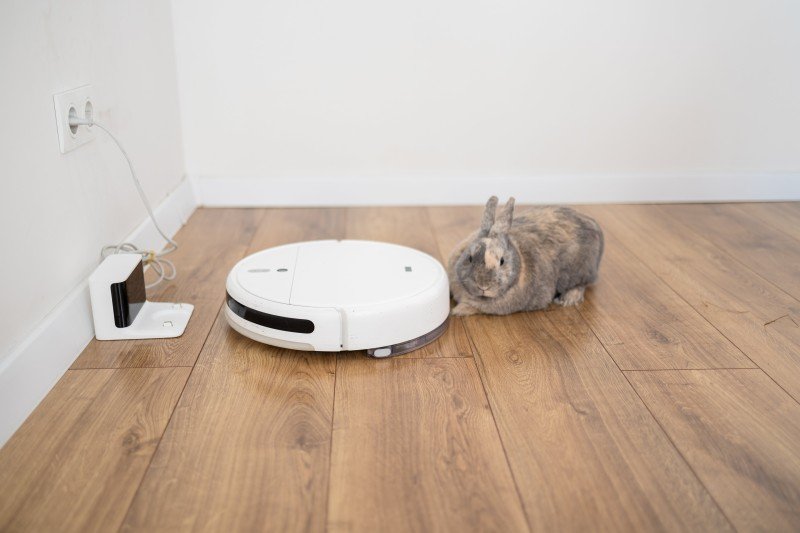
Robotic Vacuum Cleaner Commercial: Revolutionizing Home Cleaning
Over the last few years, robotic vacuum have become a cutting-edge development in home cleaning technology. With their automated features and intelligent navigation systems, these gadgets have actually changed the way people preserve cleanliness in their home. This post intends to explore the performances, advantages, and future of robotic vacuum cleaners, showcasing their role in contemporary households.
Summary of Robotic Vacuum Cleaners
Robotic vacuum cleaners are autonomous devices developed to carry out cleaning tasks without requiring manual intervention. Utilizing advanced sensors, synthetic intelligence, and a host of other innovations, these devices can navigate throughout a home, choosing up dirt, dust, and debris from numerous surface areas while avoiding barriers.
Secret Features of Robotic Vacuum Cleaners
Robotic vacuum come geared up with a range of functions that improve their performance:
| Feature | Description |
|---|---|
| Navigation Systems | Use numerous innovations like laser mapping and video cameras to navigate effectively |
| Automatic Charging | Return to docking stations to charge when battery levels are low |
| Scheduling | Users can set cleaning schedules for particular times and days |
| Smart Home Integration | Connect with other smart devices for enhanced functionality |
| Multiple Cleaning Modes | Adapt cleaning designs based upon the kind of surface being cleaned up |
| App Control | Permit users to manage settings, get notices, and start/stop cleaning remotely |
Benefits of Robotic Vacuum Cleaners
- Time-Saving: With robotic vacuums, users can designate their time to other essential jobs while the gadget deals with the cleaning. This benefit is a major selling point for hectic households.
- Consistent Cleaning: Robotic vacuum can perform daily cleaning jobs, ensuring that dirt and dust do not accumulate, resulting in a much healthier indoor environment.
- Energy Efficiency: Most robotic vacuums promote energy efficiency, frequently using less power than conventional vacuum cleaners, consequently reducing electricity costs.
- Smart Technology: With features like real-time mapping, users can keep track of the cleaning procedure. shanellzinda.top advanced designs even provide data on cleanings, such as areas covered and the amount of dirt caught.
- Accessibility: Robotic vacuums are especially beneficial for the elderly or people with mobility concerns, streamlining the cleaning process without the requirement for physical exertion.
Drawbacks of Robotic Vacuum Cleaners
In spite of their lots of advantages, robotic vacuum likewise have restrictions:
- Limited Suction Power: While they work for everyday upkeep, they might not be as powerful as conventional vacuums for deep cleaning.
- Obstacle Navigation: Some robotic models may deal with complicated layouts, stairs, or high-pile carpets.
- Battery Life: Most robotic vacuums featured limited battery life, suggesting bigger homes might need multiple charging cycles to cover all locations.
- Cost: High-quality models can be expensive compared to standard vacuum cleaners.
Selecting the Right Robotic Vacuum Cleaner
With different alternatives offered in the market, picking the best robotic vacuum can be a challenging job. Here are some aspects to think about:
- Home Size: Larger homes may require designs with longer battery life and bigger dust bins.
- Surface area Types: Consider a design that works well on specific surface areas in your home, such as hardwood, carpet, or tiles.
- Smart Features: Evaluate the level of smart integration if you prefer remote operation and monitoring through a smartphone app.
- Brand Reputation: Opt for reliable brand names known for reputable items and good client service.
Advised Robotic Vacuum Cleaners
| Brand | Design | Key Features | Price Range |
|---|---|---|---|
| iRobot | Roomba s9+ | Advanced mapping, effective suction | ₤ 949-₤ 1,099 |
| Roborock | Roborock S7 | Sonic mopping, customizable cleaning courses | ₤ 649-₤ 749 |
| Eufy | RoboVac 30C | Affordable, strong suction, app control | ₤ 250-₤ 300 |
| Neato | D7 Connected | Distinct D-shape style, zone cleaning software | ₤ 599-₤ 700 |
| Shark | IQ Robot | Self-emptying base, smart mapping | ₤ 599-₤ 699 |
Future of Robotic Vacuum Cleaners
As innovation advances, the future of robotic vacuum looks promising. The combination of AI and artificial intelligence systems is expected to improve navigation capabilities. Emerging patterns consist of:
- Enhanced Interaction: Future models might include integrated voice assistants, allowing users to release cleaning commands through voice.
- Improved Sensors: Enhanced sensors might lead to better challenge recognition, enabling the vacuum to work more effectively in cluttered spaces.
- Multi-Functionality: Future robotic vacuums might handle extra chores, such as mopping or window cleaning, combining multiple cleaning tasks into one gadget.
FAQs About Robotic Vacuum Cleaners
1. Just how much do robotic vacuum cleaners typically cost?
The price can differ extensively, ranging from ₤ 200 to over ₤ 1,000, depending upon features and brand.
2. Can robotic vacuum clean carpets successfully?
Yes, lots of modern robotic vacuum are designed with powerful suction systems that can clean various carpet types.
3. Do robotic vacuum cleaners require much maintenance?
Upkeep is reasonably low; however, users must regularly clean up the filters, empty dust bins, and periodically check the brushes for obstructions.
4. The length of time does a robotic vacuum cleaner work on a single charge?
Most robotic vacuums can run for about 60 to 120 minutes, depending upon the design and cleaning conditions.
5. Can I arrange my robotic vacuum to clean when I'm not home?
Yes, most robotic vacuum feature scheduling functions that permit users to set specific times for cleaning.
Robotic vacuum cleaners are not simply gadgets; they represent a substantial evolution in home cleaning technology. By making cleaning tasks simpler and more efficient, they enable users to take pleasure in a cleaner living environment with minimal effort. As innovation advances, it is likely that these devices will end up being much more sophisticated, paving the method for a smarter, clutter-free future.